
Caregiver Safety
A guide for maintaining a safe environment while providing home care:
1. Environmental Hazards, Safe Mopping & Cleaning
Proper cleaning practices protect both you and the client from slips, chemical exposure, and strains.
Safe Mopping Practices:Always block off the area until completely dry to prevent devastating slips and falls.
Mop using a “figure-eight” motion rather than pushing straight out to reduce strain on your back and shoulders. Switch hands periodically and use an adjustable handle to avoid excessive bending.
Chemical Safety & Ventilation: Keep household cleaners in their original labeled containers. Never mix chemicals (such as bleach and ammonia), as this creates deadly toxic gases. Ensure windows are open or exhaust fans are on when using strong chemicals.
Ergonomic Cleaning: Avoid prolonged bending when scrubbing tubs or toilets; use long-handled brushes or kneel on a padded mat. Lift heavy mop buckets by bending your knees, not your back.
Animal & Home Safety: Request that pets be secured in a separate room during cleaning and transfers to prevent trips. Keep emergency exits clear and do not overload electrical outlets.
2. Safe Patient Handling & Hoyer Lift Use
Lifting and moving clients is a primary cause of caregiver musculoskeletal injuries.
Hoyer Lift Safety:Check weight capacities: Ensure the client’s weight does not exceed the limit of the lift or the sling.
Inspect the sling: Look for tears, frayed stitching, or worn loops before every use. Never use a damaged sling.
Open the base: Keep the lift’s base legs widened and locked in the open position during the entire transfer to prevent tipping. Never leave a client unattended while suspended.
Body Mechanics: Keep your feet shoulder-width apart, bend at your knees (not your waist), and keep the client close to your body while positioning them.
3. Infection Control & Bloodborne Pathogens
Protect yourself from illnesses and cross-contamination.
Hand Hygiene: Wash hands thoroughly with soap and water for at least 20 seconds before and after every client contact.
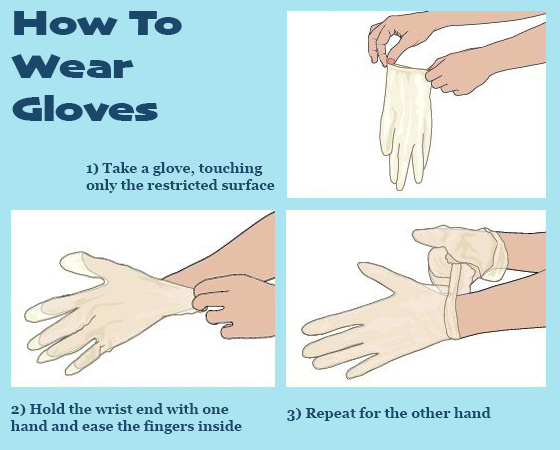
Personal Protective Equipment (PPE): Wear disposable gloves when handling blood, bodily fluids, or cleaning soiled areas. Throw them away immediately after use.
4. Workplace Violence & Personal Security
Caregivers entering private homes face unpredictable environments.
Pre-Visit Assessment: Identify potential risks before entering (e.g., history of client agitation or unsafe neighborhood conditions).
Maintain an Exit Route: Position yourself between the client/visitor and the exit door during interactions whenever possible.
Trust Your Instincts: If a client or family member becomes verbally abusive or physically threatening, calmly de-escalate, leave the premises immediately, and notify your supervisor.
Emergency Protocol: In the event of a severe injury, chemical exposure, needle stick, or an immediate threat to your safety, leave the hazard area, seek medical attention or call 911 immediately, and report the incident to your agency supervisor within 24 hours.
Driver Safety
You are your employer’s most valuable asset! The way that you drive says everything about you and your company. Make a positive statement by following these work-related safe driving practices.
Stay Safe
•Use a seat belt at all times – driver and passenger(s).
•Be well-rested before driving.
•Avoid taking medications that make you drowsy.
•Set a realistic goal for the number of miles that youcan drive safely each day.
•If you are impaired by alcohol or any drug, do not drive.
Stay Focused
•Driving requires your full attention. Avoid distractions,such as adjusting the radio or other controls, eating ordrinking, and talking on the phone.
•Continually search the roadway to be alert to situationsrequiring quick action.
•Stop about every two hours for a break. Get out of thevehicle to stretch, take a walk, and get refreshed.
Avoid Aggressive Driving
•Keep your cool in traffic!
•Be patient and courteous to other drivers.
•Do not take other drivers’ actions personally.
•Reduce your stress by planning your route ahead oftime (bring the maps and directions), allowing plentyof travel time, and avoiding crowded roadways andbusy driving times.
Annual Training
"*" indicates required fields